
The Ngorongoro Crater, often referred to as the “Eighth Wonder of the World,” is a geological marvel and a renowned UNESCO World Heritage Site located in northern Tanzania. Formed by the collapse of a massive volcano approximately two to three million years ago, the crater floor spans over 260 square kilometers, making it one of the largest intact volcanic calderas in the world. The rim of the crater reaches an elevation of about 2,400 meters (7,900 feet) above sea level, offering breathtaking panoramic views of the surrounding landscapes. Inside the Ngorongoro Crater, a diverse and self-contained ecosystem thrives, encompassing open grasslands, dense forests, and a large soda lake known as Lake Magadi. This natural haven provides a home to a remarkable concentration of wildlife, including the “Big Five” (lion, elephant, buffalo, leopard, and rhinoceros), as well as a myriad of other species such as zebras, wildebeest, hippos, and various bird species. The conservation area is also a crucial habitat for endangered black rhinoceros. Visitors to the Ngorongoro Crater can embark on game drives to witness the abundance of wildlife against the backdrop of the crater’s stunning scenery, creating an unforgettable safari experience in this ecological wonder.


Fly to Tanzania: Most international visitors arrive at either Kilimanjaro International Airport (JRO) or Julius Nyerere International Airport (DAR) in Tanzania. Travel to Arusha: If you land at Kilimanjaro International Airport, it’s a short distance to Arusha, a common starting point for safaris to Ngorongoro Crater. Vehicle: Using vehicles which are often 4x4s, suitable for the varied terrain you may encounter on the journey and within the conservation area. Choose the Route: Ngorongoro Crater is part of the Ngorongoro Conservation Area, and there are multiple entry gates. Work with your driver-guide to select the most suitable route based on your preferences, itinerary, and road conditions. Drive to the Crater Rim: The road from Arusha to Ngorongoro Crater takes you through the conservation area. It’s a scenic drive, and you’ll likely encounter wildlife along the way.
Explore popular animals that easy found on this world-class destinations
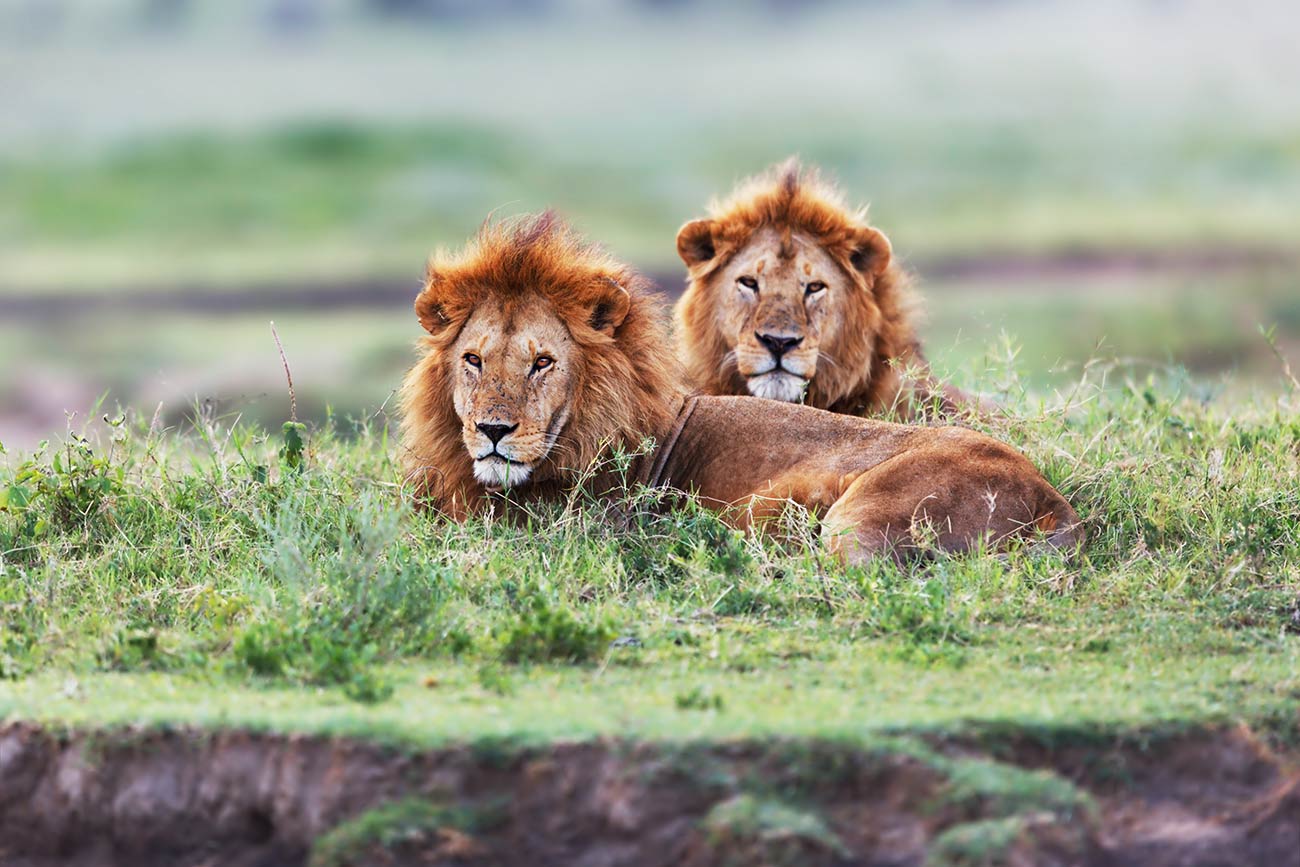
Panthera leo
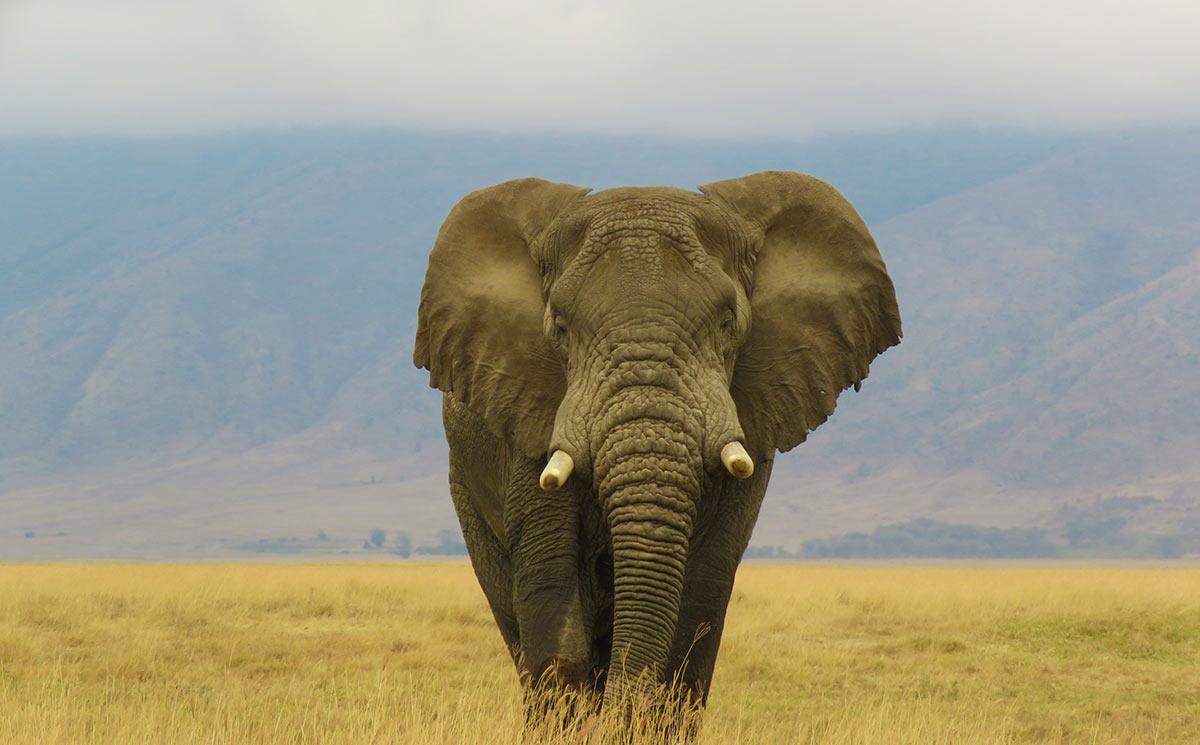
Loxodonta africana

Syncerus caffer

Diceros bicornis

Acinonyx jubatus

Crocuta crocuta
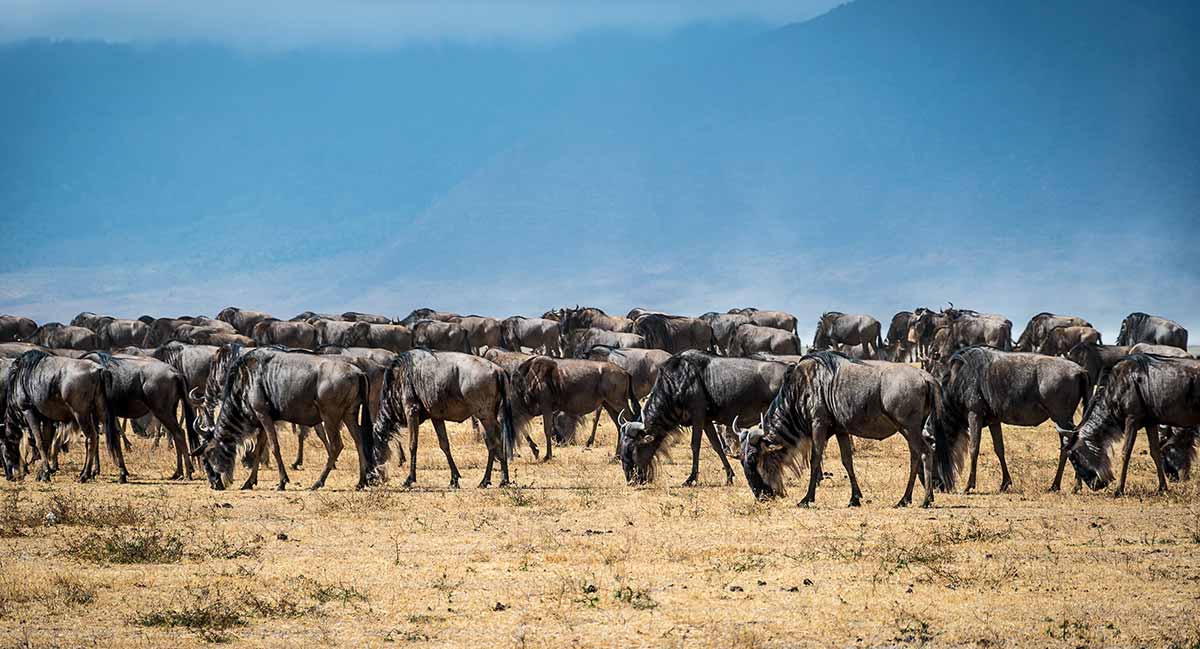
Connochaetes taurinus
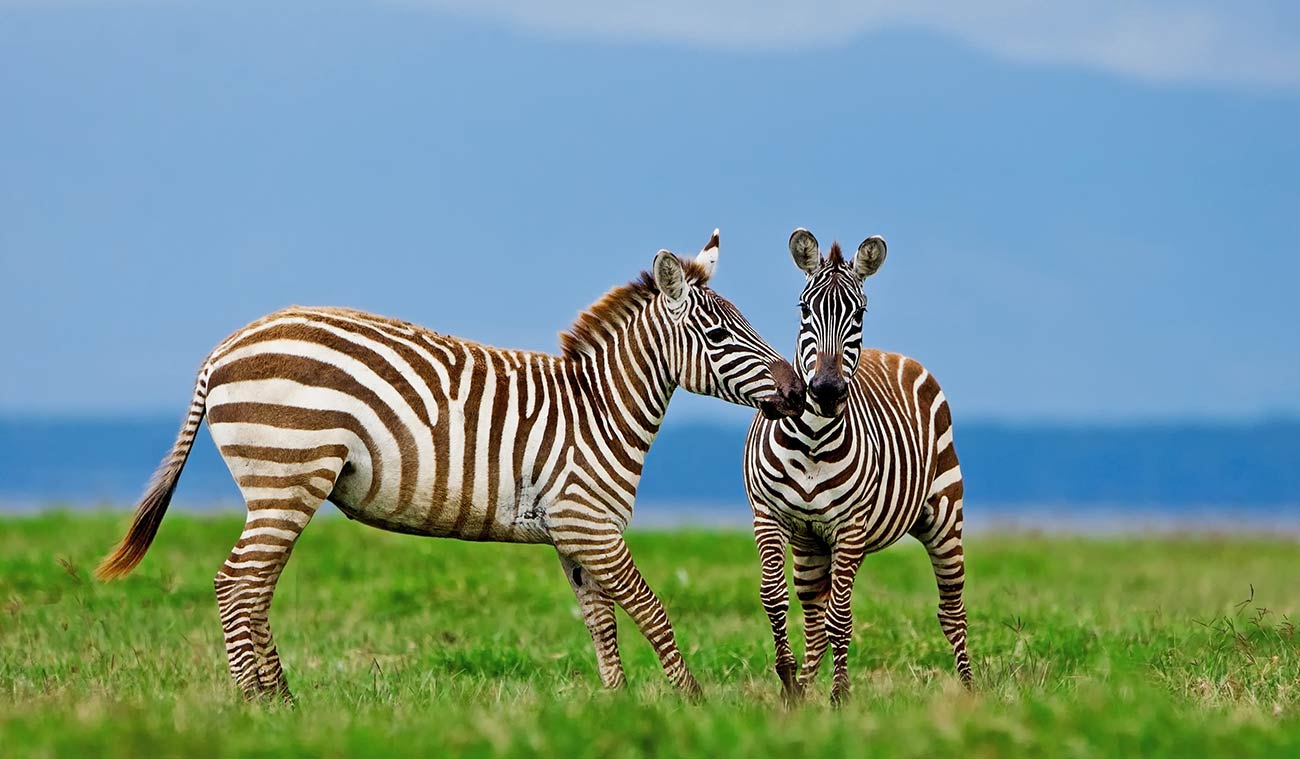
Equus quagga

Hippopotamus amphibius
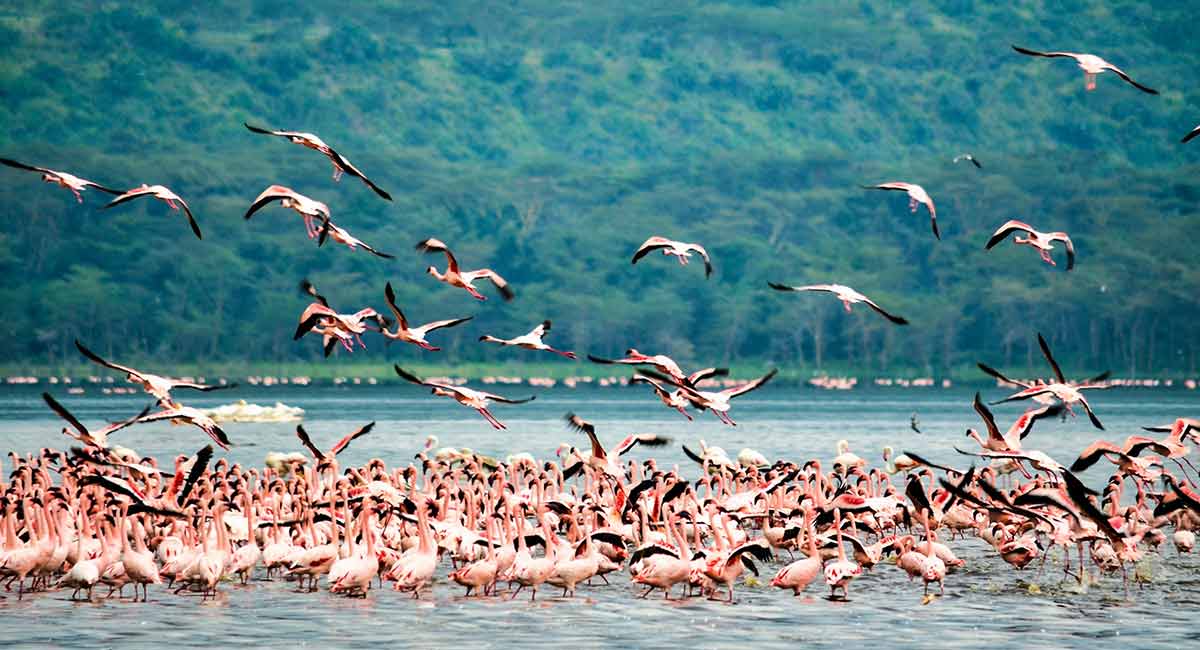
Phoeniconaias minor
Descend 600 metres into the world's largest intact volcanic caldera for a full day among lions, elephants, buffalo, zebra, wildebeest and one of the last populations of black rhino in northern Tanzania, with a picnic lunch by a hippo pool.
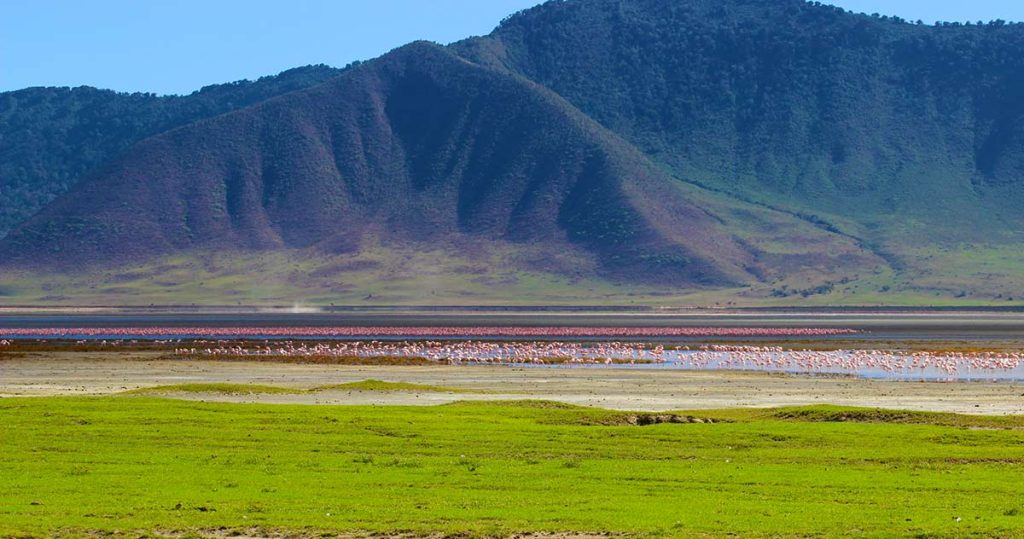
The crater rim, over 2,200 metres high, offers spectacular views down into the caldera. Guided rim walks with an armed ranger pass through montane forest where elephants and buffalo roam.
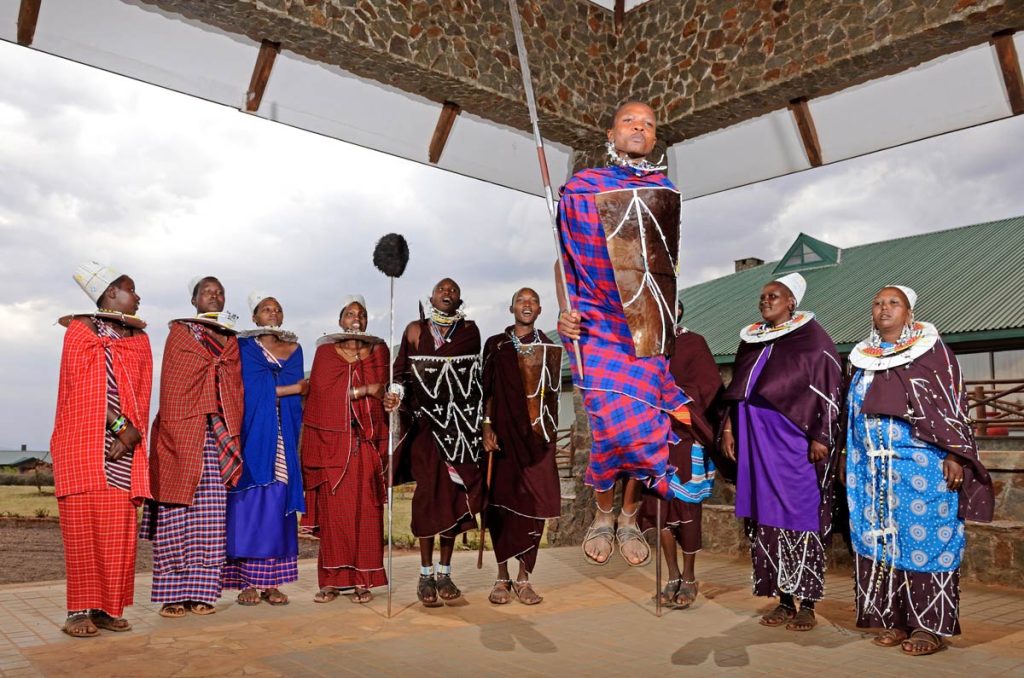
The Maasai have grazed their cattle in the Ngorongoro highlands for centuries. A visit to a traditional boma introduces their homes, dances, beadwork and way of life alongside the wildlife.
Between Ngorongoro and the Serengeti lies Olduvai Gorge, one of the most important palaeoanthropological sites in the world, where the Leakeys found early human fossils. A small museum tells the story on site.
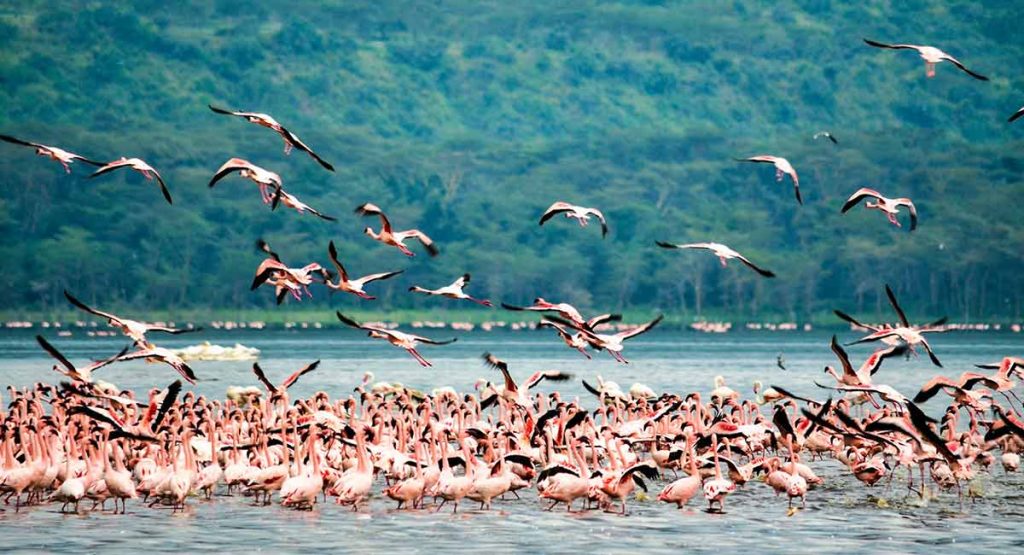
The soda lake on the crater floor often attracts flocks of pink flamingos, a striking sight against the green grass and the steep crater walls.
A dry season visit to Ngorongoro Crater, from June to October, promises an exceptional safari experience with its unique advantages. The scarcity of water sources concentrates wildlife around remaining watering holes, providing unparalleled opportunities for observing the “Big Five” and other iconic species in close proximity. The clear skies and cooler temperatures enhance visibility, making the crater’s expansive landscapes and diverse ecosystems easily accessible. This season is ideal for photography enthusiasts, as the reduced vegetation and optimal lighting conditions capture the striking beauty of the crater. Cultural visits to Maasai villages and the possibility of witnessing the calving season further enrich the safari, creating an unforgettable exploration of Ngorongoro’s wildlife and cultural wonders.
A visit to Ngorongoro Crater during the heavy rain season, typically from November to April, transforms this ecological wonder into a lush and vibrant landscape. The rains rejuvenate the surroundings, leading to flourishing greenery and colorful wildflowers. While road conditions may present challenges, the rewards include fewer tourists, creating a more intimate safari experience. The heavy rain season is also a time of increased bird activity, with migratory species joining the local residents. Witnessing the calving season adds a heartwarming dimension, as baby animals abound. Despite occasional showers, the heavy rain season unveils Ngorongoro Crater’s biodiversity in a unique and enchanting manner, offering a refreshing perspective on this natural marvel.
Exploring Ngorongoro Crater during the short rain season, typically occurring from November to December, reveals a transient yet enchanting side of this ecological masterpiece. The brief showers bring a refreshing touch to the landscape, transforming the crater into a lush green haven adorned with blooming vegetation. While the rains are relatively light, they breathe life into the surroundings, creating a picturesque setting for wildlife enthusiasts. The short rain season offers a quieter and more serene safari experience, with the added allure of observing baby animals born during this time. Despite the occasional showers, this season showcases Ngorongoro Crater’s biodiversity in a tranquil and verdant ambiance, providing a unique and captivating perspective for those seeking a quieter safari adventure.
Popular experience in the Serengeti National Park
There are no results matching your search
Popular experience in the Serengeti National Park
Best time: All year round
Destinations: Arusha, Lake Manyara, Ngorongoro Crater, Serengeti, Tarangire, Zanzibar
Best time: January, February, March, December
Destinations: Arusha, Ngorongoro Crater, Serengeti, Tarangire
Best time: All year round
Destinations: Arusha, Ngorongoro Crater, Serengeti, Tarangire
Best time: All year round
Destinations: Lake Manyara, Ngorongoro Crater, Serengeti, Tarangire
Best time: All year round
Destinations: Lake Eyasi, Ngorongoro Crater, Serengeti, Tarangire
Best time: All year round
Destinations: Arusha, Ngorongoro Crater, Serengeti
Best time: All year round
Destinations: Lake Manyara, Materuni Waterfalls, Mkomazi, Tarangire
Best time: All year round
Destinations: Kilimanjaro, Ngorongoro Crater, Serengeti, Tarangire
There are no results matching your search
Popular experience in the Serengeti National Park
The crater's permanent water and grazing mean wildlife stays year-round, so it's worth visiting in any season. June to October brings dry weather, clear views and easy game viewing, although it's the busiest period. From December to March, many visitors combine the crater with the calving season in the nearby southern Serengeti. The rainy months of April and May are quiet and green; mornings on the rim can be cold all year, so bring a warm layer.
The crater floor holds an estimated 25,000 large animals, including lions, spotted hyenas, elephants, buffalo, zebras, wildebeest, gazelles, elands and hippos. It is one of the best places in Tanzania to see the endangered black rhino. The soda lake often attracts flocks of flamingos, and the forests on the crater rim are home to elephants, buffalo and many birds.
The Ngorongoro Crater is about 190 km from Arusha, roughly three to four hours by road via Lake Manyara and the town of Karatu. You enter the Ngorongoro Conservation Area at the Lodoare Gate and climb through forest to the crater rim, where a steep road descends to the crater floor. Only 4×4 vehicles are allowed inside the crater, and our safari vehicles are fully equipped for the descent.
Yes, it's strongly recommended. Access to the crater floor is strictly regulated, with time limits and fees for each vehicle, and the roads are steep. An experienced guide makes the most of your time, knows where rhinos and lions are likely to be, and handles all the permits and logistics. Our guides also plan your descent early in the morning, when the light is best and the crater is quieter.
The main activity is a half-day or full-day game drive on the crater floor, often with a picnic lunch by a hippo pool. In the wider Ngorongoro Conservation Area you can also take guided walks on the crater rim, hike to the Empakaai Crater, visit Maasai villages, and explore Olduvai Gorge, one of the world's most important sites for the study of early human history.
There are no results matching your search